

Venturing into the dynamic realm of the crypto world is akin to embarking on a thrilling journey through the digital landscape. As an avid explorer of this fascinating domain, I’ve delved deep into the intricacies of cryptocurrencies, blockchain technology, and decentralized finance. In this article, I’ll be sharing insights, trends, and valuable information that shed light on the ever-evolving crypto space.
Crypto World
The Basics of Cryptocurrencies
 Cryptocurrencies are digital or virtual currencies that use cryptography for security. These digital assets operate independently of a central authority, such as a government or financial institution. They are secured by cryptography, making it nearly impossible to counterfeit or double-spend. Bitcoin, created in 2009 by an unknown person using the pseudonym Satoshi Nakamoto, was the first decentralized cryptocurrency. Since then, thousands of different cryptocurrencies have been created, each with its own unique features and uses.
Blockchain is the underlying technology that enables cryptocurrencies to function. It is a decentralized and distributed ledger that records transactions across a network of computers. Each block in the chain contains a list of transactions, and once a block is completed, it is added to the chain in a chronological order. The data in a blockchain is immutable and transparent, making it secure and tamper-proof. Blockchain technology is revolutionizing various industries beyond cryptocurrencies, such as supply chain management, healthcare, and voting systems, by providing a secure and efficient way to record and verify transactions.
Key Players in the Crypto Space
Major Cryptocurrencies and Their Impact
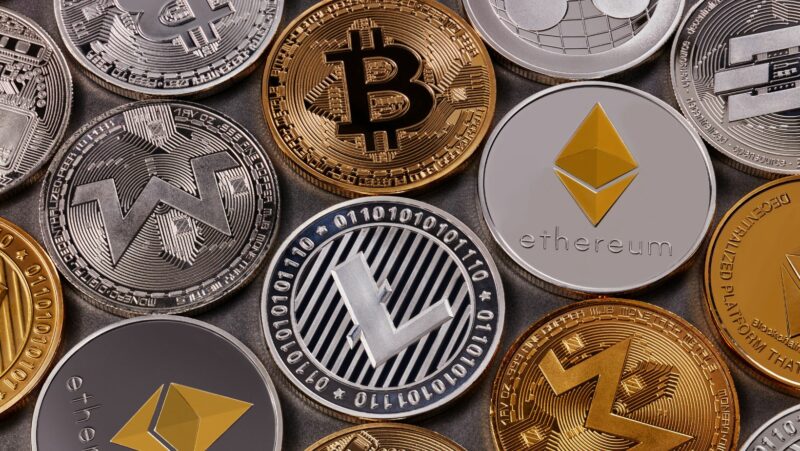 Cryptocurrencies have surged in popularity, with Bitcoin leading the pack as the pioneer in the crypto world. It’s essential to note that Bitcoin’s influence extends beyond its market dominance as other digital currencies, including Ethereum, Ripple, and Litecoin, also play significant roles in the crypto space. Ethereum, for instance, introduced the concept of smart contracts, revolutionizing blockchain technology by enabling programmable, self-executing contracts. Ripple, on the other hand, focuses on facilitating cross-border payments, offering a faster and more cost-effective alternative to traditional banking systems. Litecoin, known for its faster transaction speeds and lower fees compared to Bitcoin, has gained traction among users looking for quick and affordable transactions.
In the crypto space, several companies and individuals have made significant contributions and shaped the industry’s landscape. Companies like Coinbase, a popular cryptocurrency exchange platform, have played a pivotal role in mainstream adoption by providing a user-friendly interface for buying, selling, and storing digital assets. Other influential companies include Binance, known for its extensive range of cryptocurrency offerings and innovative products, and Ripple Labs, the driving force behind XRP and blockchain solutions for financial institutions.
Real-World Applications of Crypto
Financial Transactions and Remittances
In the crypto world, cryptocurrencies play a vital role in facilitating financial transactions and remittances. With the use of blockchain technology, individuals and businesses can conduct secure and transparent transactions globally. For instance, Bitcoin enables peer-to-peer transactions without the need for intermediaries, making it a cost-effective and efficient way to transfer funds across borders. This feature is particularly beneficial for remittances, where individuals can send money to their families in different countries quickly and at low fees. The decentralized nature of cryptocurrencies eliminates the need for traditional banking systems, offering greater financial inclusion to unbanked populations worldwide.
Smart Contracts and Decentralized Applications
Smart contracts are self-executing contracts with the terms of the agreement directly written into the code. In the crypto space, smart contracts are powered by blockchain technology, enabling automated and trustless transactions. These contracts are particularly useful in decentralized applications (DApps), which are applications that run on a blockchain network rather than a centralized server. DApps leverage smart contracts to provide services such as decentralized finance (DeFi), digital identity verification, and supply chain tracking. By eliminating intermediaries and enhancing security through cryptography, smart contracts and DApps are revolutionizing various industries by streamlining processes, reducing costs, and improving transparency.