

The global e-commerce market has surpassed $6.4 trillion in online sales. Marketplaces dominate in terms of reach and convenience for shoppers. However, customers are also seeking unique experiences, personalization, and a direct relationship with the brand.
Choosing between marketplaces and your own online store is no longer a question of “where is easier to start,” but a strategic decision for a would-be entrepreneur. Experts from an e-commerce development company discuss the specifics of each business approach.
What is a Marketplace?
A marketplace is a digital platform that acts as an intermediary between numerous independent sellers and buyers. Sellers list their products or services, and the platform provides:
- a storefront and convenient product search;
- payment processing;
- logistics and delivery;
- reviews, ratings, and buyer protection.
The platform does not own most of the products, but earns money through sales commissions, paid promotion, and other services.
Pros and cons of marketplaces for sellers.
| Advantages | Disadvantages |
| Quick start.No need for advertising or SMM at the start.Customer trust.Easy to launch. | Commissions and hidden fees.Competition.Strict rules for card design, pricing, and promotions.Dependent on the platform. |
Marketplaces are the ideal tool for quickly testing a niche and generating initial sales.
What is a Private Online Store?
A private online store is an online storefront fully owned and operated by a brand or retailer. Products are sold without intermediaries.
The seller is solely responsible for:
- design and user experience;
- pricing, promotions, and product selection;
- collection and management of customer data;
- marketing, customer loyalty;
- payments, delivery, and analytics.
Unlike a marketplace, a website is a digital asset of the business, like a physical store. Its pros and cons are presented in the table.
| Advantages | Disadvantages |
| Complete control over everything – from pricing and discounts to design and loading speed.Opportunity to create a brand experience.No platform fees, only payment systems.Access to customer data – allows for long-term relationships. | Launch requires significant investment.Promotion is necessary, as there is no built-in traffic.Responsibility for the website rests with its owner: updates, security, speed, mobile adaptation, bug fixes.Slow growth – the first significant sales may only begin after several months. |
Having your own online store is an asset for brands seeking independence, high margins, and genuine customer relationships. It’s ideal for unique, niche, or premium products, but it requires investment and patience.
When to Choose a Marketplace
Marketplaces remain the most effective channel for launching and rapidly growing a business in most scenarios. Choose such a platform in the following cases:
- you’re just starting a business;
- you want to quickly test a niche;
- you don’t have a large budget;
- fast order flow is important.
When to Choose Your Own Website
Marketplaces are a launch accelerator and a tool for testing ideas. Almost all successful brands started with them.
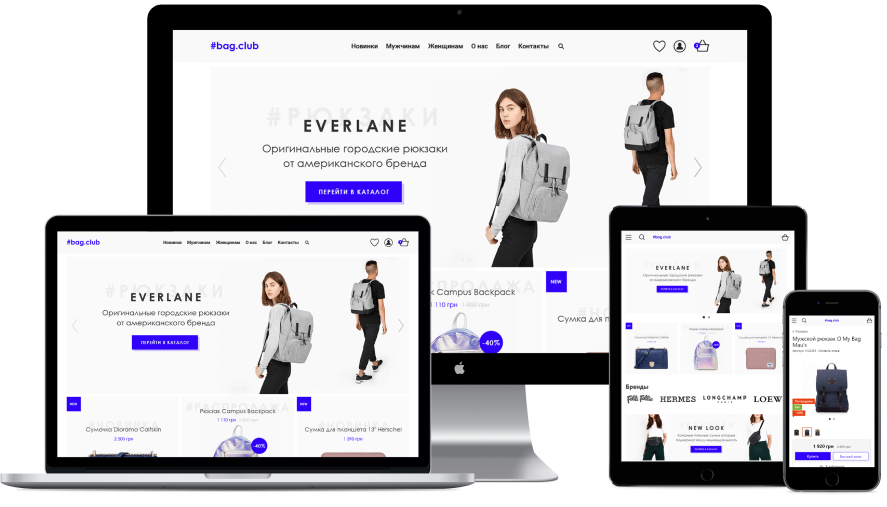
But if a business is planned for years to come, focusing on branding, margins, and independence, then marketplaces become a supporting channel, while the primary revenue and data are transferred to the company’s own website.
Marketplaces and online stores aren’t competitors, but rather tools with different purposes. The former helps with rapid market entry, while the latter helps build a sustainable business.